
WHAT DO I NEED TO KNOW AS A HOMEOWNER?
Indoor air pollution is a rapidly growing public health crisis. The EPA ranks poor indoor air quality as one of the top five urgent environmental risks to public health. The good news is, you can take control of your air quality, and get your home tested. Get your home testedIndoor air quality (IAQ) refers to the condition of the air inside your home, directly affecting your family’s health, safety, and comfort. Data from AirAdvice reveals a troubling trend: many homes lack adequate ventilation and basic pollution-control equipment.
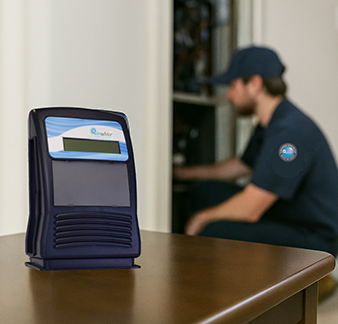
Without proper airflow to bring in fresh outdoor air and dilute indoor emissions, pollutants quickly build up—an effect compounded by elevated temperature and humidity. To pinpoint these risks, the AirAdvice M5200 monitor tracks seven key factors that impact home air quality:
Particles
Indoor air is often more polluted than outdoor air. Testing is key to maintaining a healthy home.

VOCs
Nearly 4 out of 10 homes have VOC levels above the recommended maximum exposure.

Formaldehyde
4 out of 10 homes have formaldehyde levels above the recommended maximum exposure levels.

Carbon Dioxide
Nearly 3 out of 10 homes have carbon dioxide levels above the recommended maximum exposure levels.
Temperature
Without testing and monitoring, your home’s indoor temperature could affect your sleep.
Relative Humidity
When humidity gets too high, it can lead to biological growth in your HVAC system and other areas in the home.

Carbon Monoxide
Odorless, colorless, and tasteless, this gas can’t be detected without the right equipment.
- Indoor Air is Worse: Pollution inside homes is common and frequently more severe than outdoor air.
- You Can’t Smell It: Many dangerous pollutants are undetectable by scent and require electronic sensors.
- Measure to Manage: Data-driven analysis of your IAQ lets you take smart, targeted action to control the pollution.
- Unseen dust generators: The typical 1,500 sq. ft. home generates roughly 40 pounds of dust every year. A single ounce of dust can host up to 40,000 dust mites, which severely aggravate chronic allergies.
- Off-gassing materials: Building materials, composite wood furniture, and remodeling supplies release peak levels of chemical pollutants, including formaldehyde and various VOCs, especially when they are brand new.
- Combustion and outdoor invaders: Tobacco smoke, wood stoves, and wind-distributed tree pollens (such as alder, pine, and birch) easily enter and become trapped in modern, well-sealed homes.
- Structural ingress: Invisible hazards like radon gas seep seamlessly through basement foundation cracks, construction joints, and gaps around plumbing pipes.

ASTHMA, ALLERGIES, AND VULNERABLE POPULATIONS
Home should be a safe haven, yet modern construction traps allergens inside, extending exposure and aggravating year-round health problems. Sensitivity to these pollutants can develop at any age, but infants and the elderly remain the most vulnerable. Modern data paints a stark picture of current respiratory challenges in America:
Widespread Impact
According to the Centers for Disease Control and Prevention (CDC), approximately 24.9 million Americans currently live with asthma, including over 4.6 million children.
Severe Complications
Asthma attacks prompt more than 900,000 emergency department visits annually. Children are especially vulnerable because they inhale 50% more air per pound of body weight than adults due to faster breathing rates.
Economic Strain
The American Academy of Allergy, Asthma & Immunology (ACAAI) reports that the estimated economic cost of asthma has ballooned to $50 billion annually.
The Radon Connections
For individuals who smoke, elevated radon levels in the home multiplies the risk of developing lung cancer dramatically. The EPA strongly recommends fixing your home if testing reveals radon levels at or above 4 pCi/L.
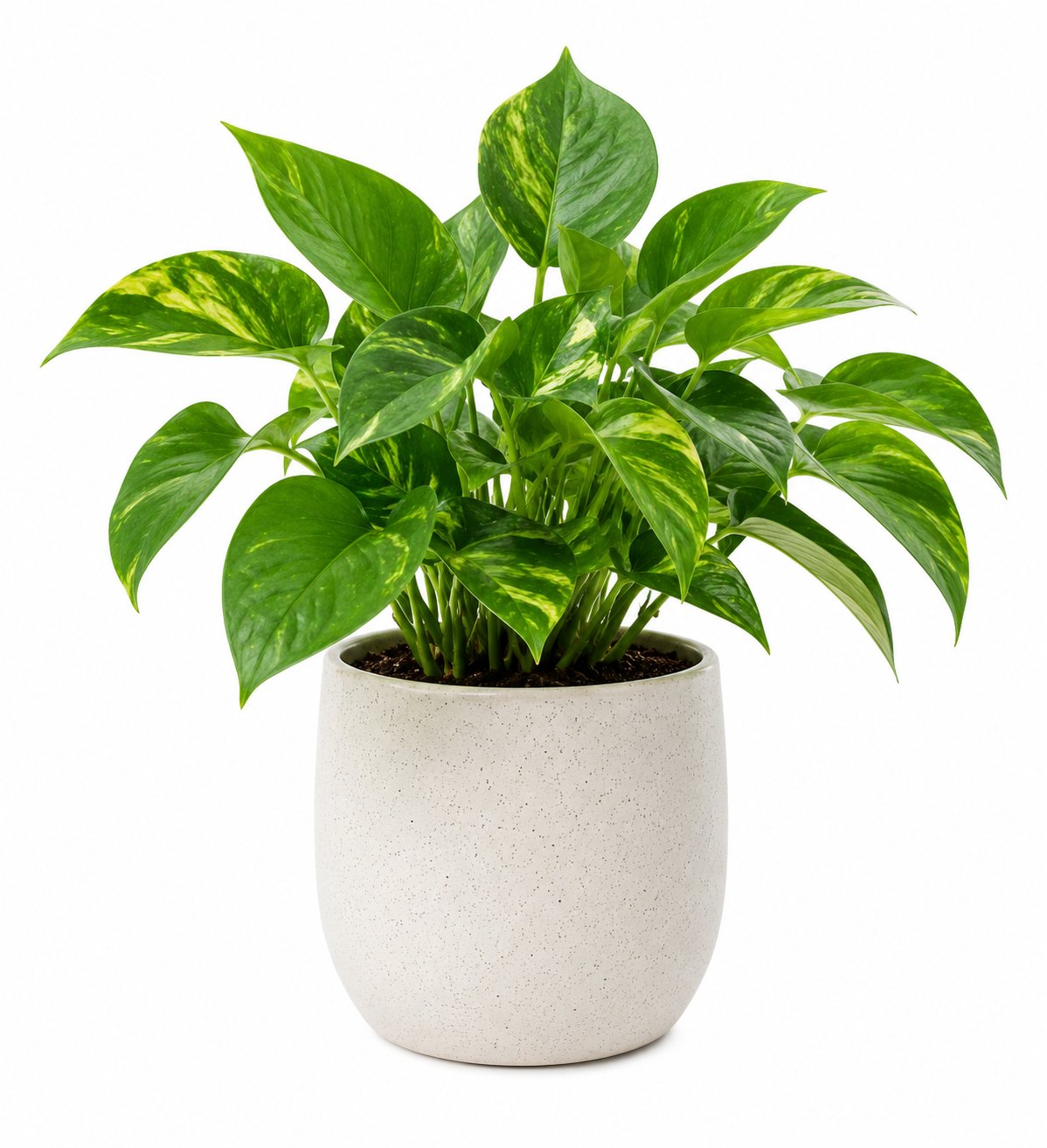
Myth 1: Houseplants will significantly purify my home's air
The Reality: Houseplants have virtually zero impact on real-world indoor air quality. While a famous NASA study showed plants absorb toxins, it was conducted in hyper-sealed, tiny space capsules. You would need a literal jungle—roughly 10 to 1,000 plants per square yard—to replicate those air-cleaning speeds in a standard home. [1, 2, 3, 4]
Myth 2: Opening my home's windows always solves air quality issues, or keeping a house perfectly sealed keeps it clean
The Reality: Fresh air is a double-edged sword that requires strategic timing. Opening windows during high-pollen seasons, wildfires, or high-traffic hours pulls heavy outdoor pollution directly inside. Conversely, if you never ventilate a modern, well-insulated home, indoor carbon dioxide (CO2), moisture, and toxins build up to hazardous levels. [1, 2, 3, 4, 5]
Take Action: Check outdoor air quality index (AQI) reports before opening windows.
Myth 3: Outdoor smog and vehicle exhaust are the only major sources of chemical air pollution.
The Reality: The act of cooking food is one of the most toxic daily activities in a home. Gas stoves emit high levels of nitrogen dioxide (NO2), carbon monoxide (CO), and formaldehyde, and both gas and electric stoves require venting to outdoors. On any kind of stove, Frying or searing food releases massive amounts of fine particulate matter (PM2.5) that deep-dives into lungs.
Take Action: Always turn your range hood fan on before you start cooking, and ensure it vents completely outdoors rather than just recirculating the air back into the kitchen. [1, 2, 3, 4, 5]

Myth 4: If my home smells clean, fresh, or scent-free, the air must be safe.
The Reality: The most hazardous indoor pollutants are completely odorless and invisible. New furniture, memory foam mattresses, carpets, building materials and pressed-wood cabinets naturally emit toxic formaldehyde gas for months and years after purchase. Synthetic fragrances, air fresheners, aerosol sprays, and “clean-smelling” laundry detergents emit gaseous VOCs that irritate lungs. Radon: This radioactive, naturally occurring ground gas seeps invisibly through foundation cracks and is the second-leading cause of lung cancer. [1, 2, 3, 4, 5, 6]
Take Action: Find a contractor near you to perform a test to check the level in your home.
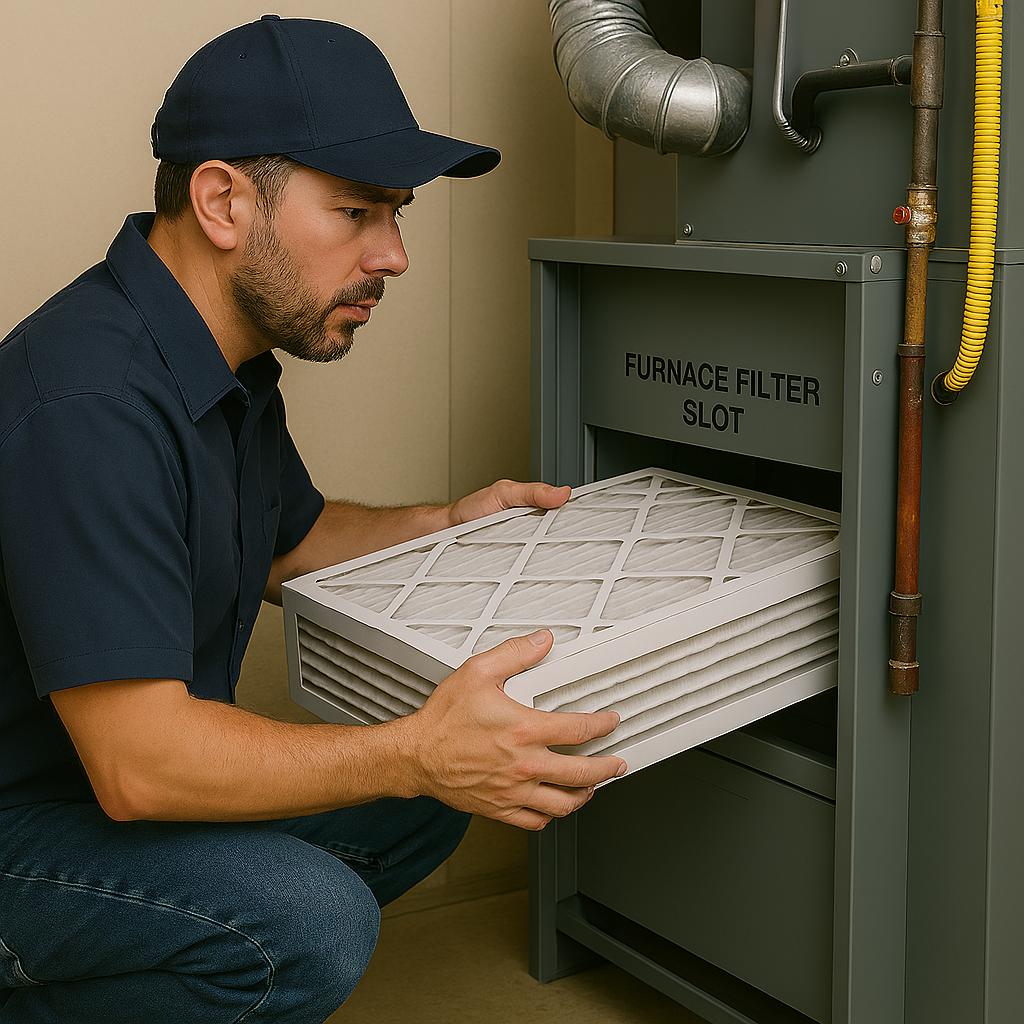
Myth 5: Standard 1-inch furnace clean the air in my home, and they only need to be changed once or twice a year.
The Reality: Basic HVAC filters are designed to protect the heating and cooling equipment from large dust bunnies, not to protect human lungs from microscopic particles. Filters must be replaced every 1 to 3 months, especially if you have pets.
Take Action: To actually clean the air, look for filters rated MERV 13 or higher, which can trap bacteria, smoke, and microscopic allergens. Always check your HVAC manufacturer’s guidelines first, as thick, restrictive filters can strain older blower motors.

Myth 6: There are laws in place that keep me and my family safe from being sold a home with unhealthy air quality.
The Reality: There is no national federal law regulating ventilation in residential construction. General home inspectors evaluate structural, electrical, and mechanical operations; they do not test for mold spores, volatile organic compounds (VOCs), formaldehydes, or radon gas unless you pay for specialized, stand-alone, add-on testing. Radon is the only indoor air gas that sees frequent legal intervention. Some states require sellers to formally disclose historical radon test results if they exist, but very few legally force a seller to perform a new test before a sale.
Take Action: Get your home tested today with a Contractor near you.