VOLATILE ORGANIC COMPOUNDS (VOCs)
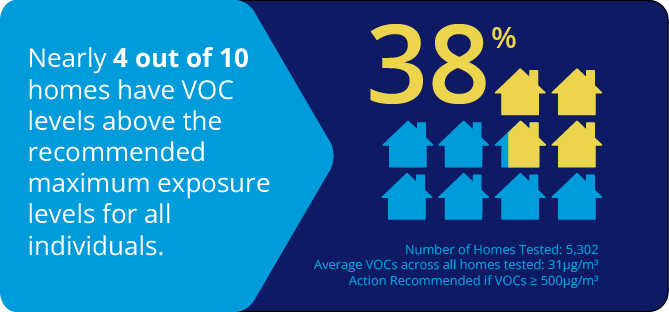
Volatile Organic Compounds (VOCs) are gases released by many common household items, products, building materials, and activities. While many are benign, certain types of VOCs can be harmful at high concentrations. Indoors, their concentrations can reach levels up to ten times higher than those found outdoors. The good news is, with proper management you can control the levels in your home, and bring them down to a safer level. Your contractor can help you problem solve and get your home to the best version of itself.
“Long-term exposure may…cause damage to the liver, kidneys, or central nervous system. Some VOCs are suspected of causing cancer and some have been shown to cause cancer in humans..”
“Studies have found that levels of several organics average 2 to 5 times higher indoors than outdoors. During and for several hours immediately after certain activities, such as paint stripping, levels may be 1,000 times background outdoor levels.”
“Breathing VOCs can irritate the eyes, nose and throat, can cause difficulty breathing and nausea, and can damage the central nervous system and other organs.”
WHY TESTING FOR VOCs IS IMPORTANT
VOCs ARE EVERYWHERE
VOCs are emitted by a wide array of products, including household items like paints, varnishes, disinfectants, and even dry-cleaned clothing. The vast majority of homes contain products that off-gas VOCs, and without testing, homeowners may not be aware of the VOCs lingering indoors.
Exposure can harm your health
Short-term exposure to VOCs can lead to eye, nose, and throat irritation, headaches, nausea, and dizziness, skin problems, shortness of breath, and fatigue. Long-term exposure to VOCs can cause damage to the liver, kidney, and central nervous system. Certain VOCs are also known to mimic hormones or cause cancer.
Source: American Lung Association
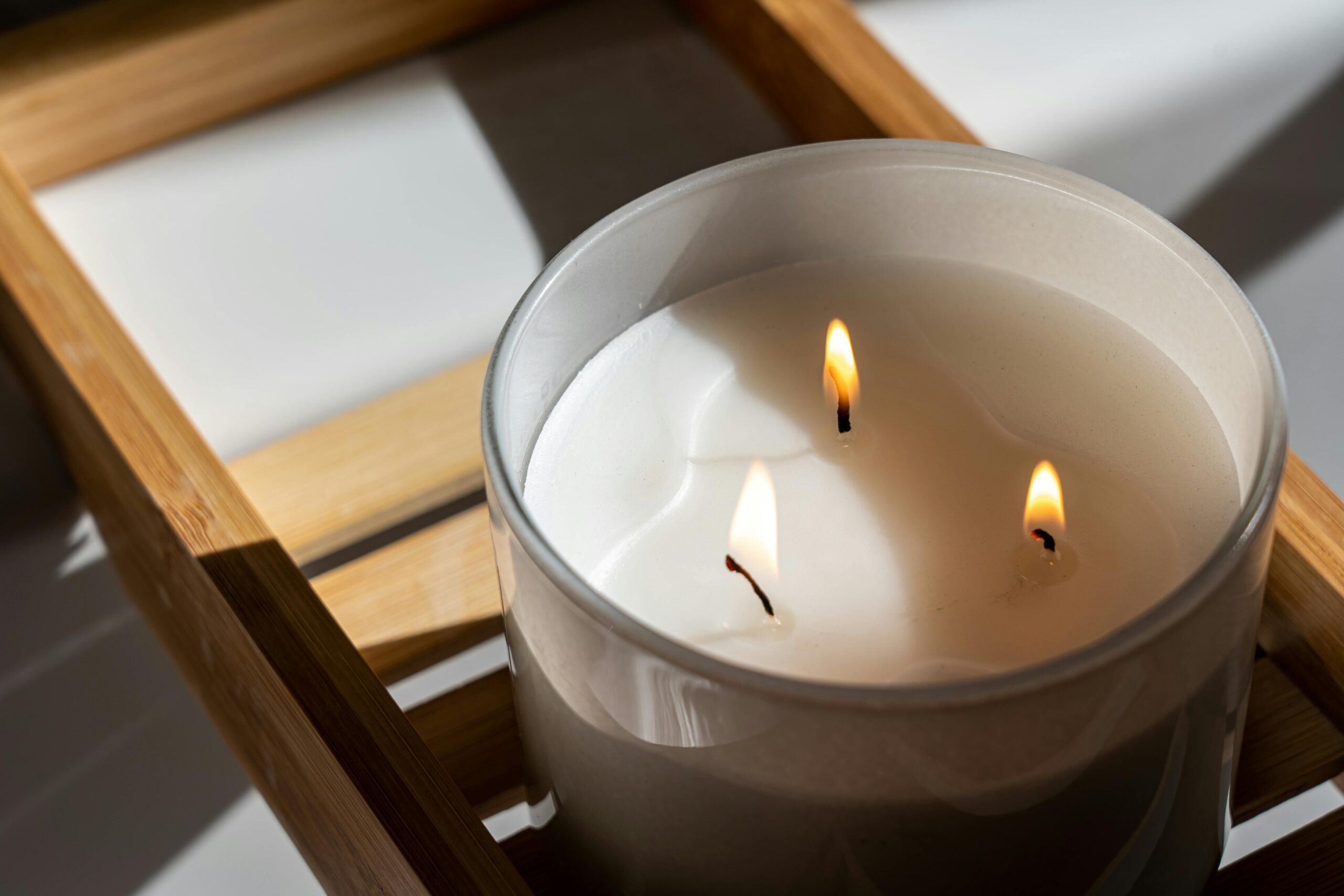
Reduce VOC sources: reduce use of scented products, cleaning fluids, and candles.
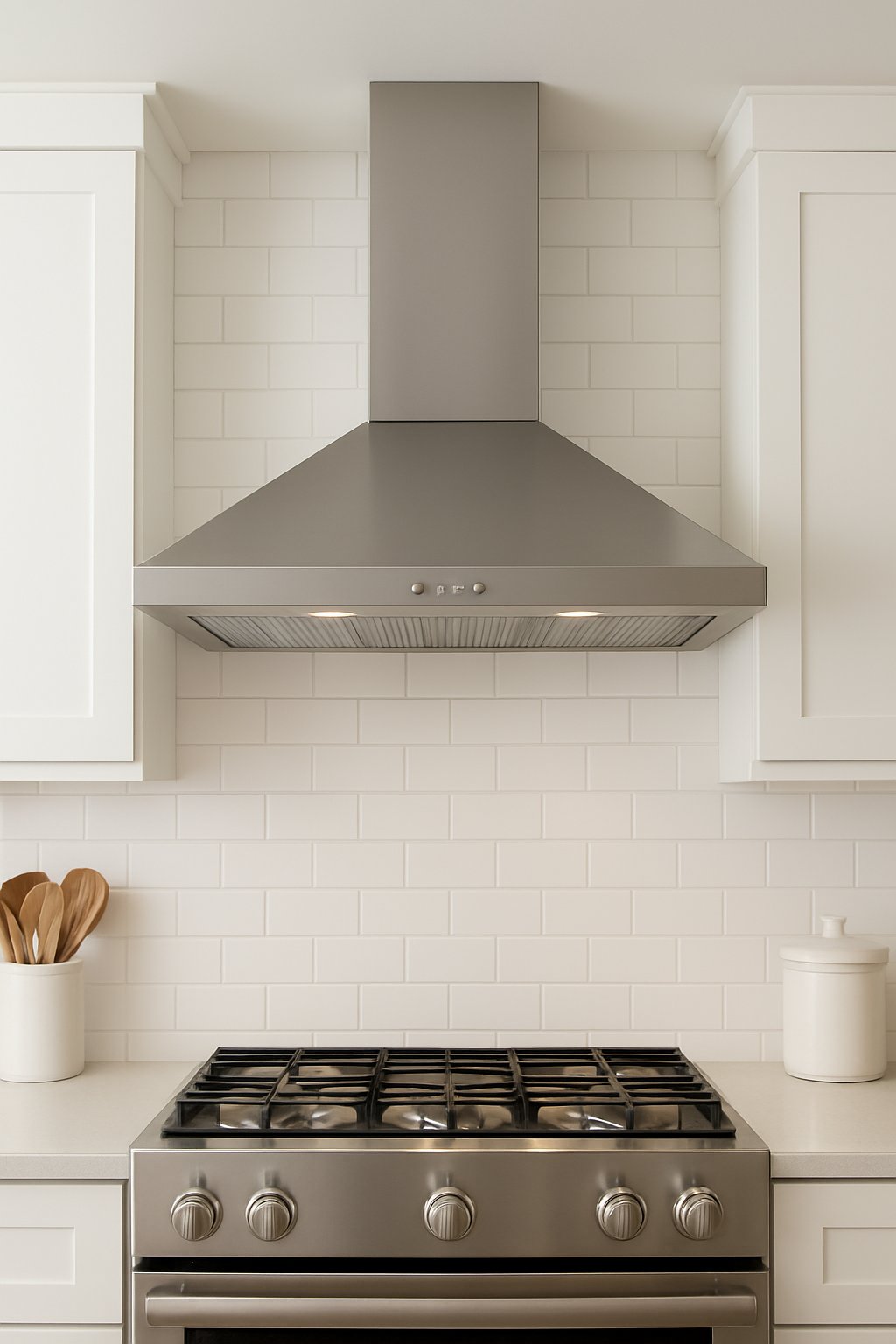
Increase fresh air ventilation. Great options include a heat or energy recovery ventilator (HRV/ERV), fresh air supply vent, ventilating dehumidifier, or exhaust-only ventilation.
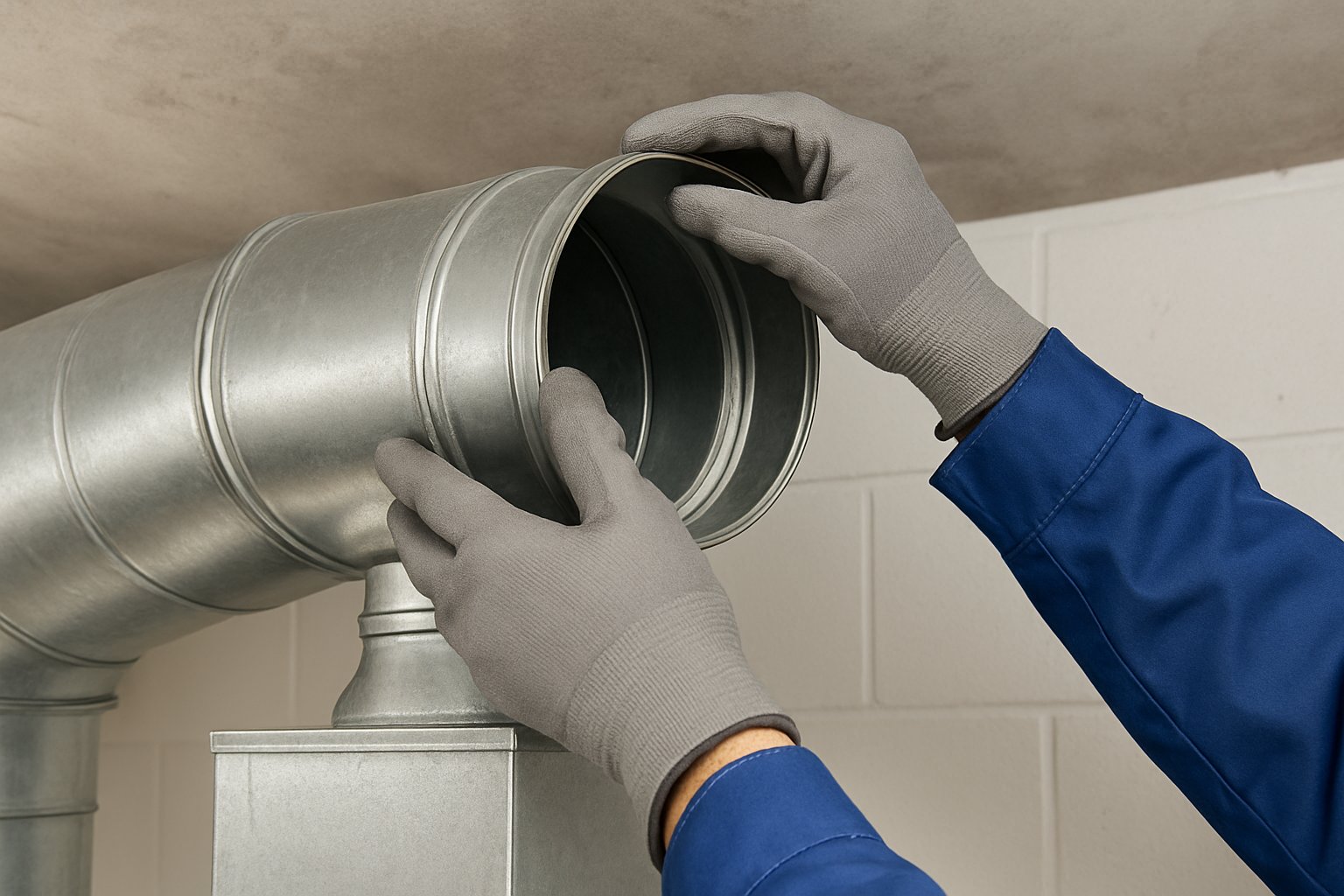
Conduct a full assessment of the ventilation system to ensure proper function, making any necessary adjustments to optimize performance. Arrange for a follow-up AirAdvice test with your contractor to validate the results.
AIRADVICE PROTIP:
Natural ventilation is not enough to stop the build up of pollutants. The most effective long-term solution is a mechanical ventilation system. Heat Recovery Ventilators (HRVs) and Energy Recovery Ventilators (ERVs) are the gold standard for modern homes. They continuously exhaust stale, polluted air and replace it with fresh air from outside. Ask your contractor about the best ventilation solutions for your home.
Interested in learning more about how to improve home health, safety, and comfort? AirAdvice tests for 7 different parameters in the home with our top-of-the-line monitor. Our monitors are designed and maintained to produce clear and accurate results, giving you a clear picture of the state of your home’s air. Scroll down to see the other things we test for in a home.