Carbon Monoxide


WHAT THE EXPERTS SAY

“CO can rapidly accumulate, even in areas that appear to be well ventilated, and build up to dangerous or fatal concentrations within minutes”

The U.S. Centers for Disease Control and Prevention

(CDC)

“You can’t see or smell carbon monoxide, but at high levels it can kill a person in minutes.”

Environmental Protection Agency

(EPA)

“This ‘invisible killer’ is produced by burning fuel in cars or trucks, small engines, stoves, lanterns, grills, fireplaces, gas ranges, portable generators or furnaces.”

National Safety Council

(NSC)

WHY TESTING FOR CARBON MONOXIDE IS IMPORTANT

EXPOSURE BECOMES DEADLY

Carbon monoxide can reach dangerous levels if your appliances are old, leaking, or overdue for inspection. Regular testing helps ensure CO levels remain low to nonexistent and protects you from the risk of carbon monoxide poisoning.

odorless, colorless, and tasteless

This dangerous gas can’t be detected without the right equipment, and it can enter your home from a variety of common household sources.
RECOMMENDED ACTIONS
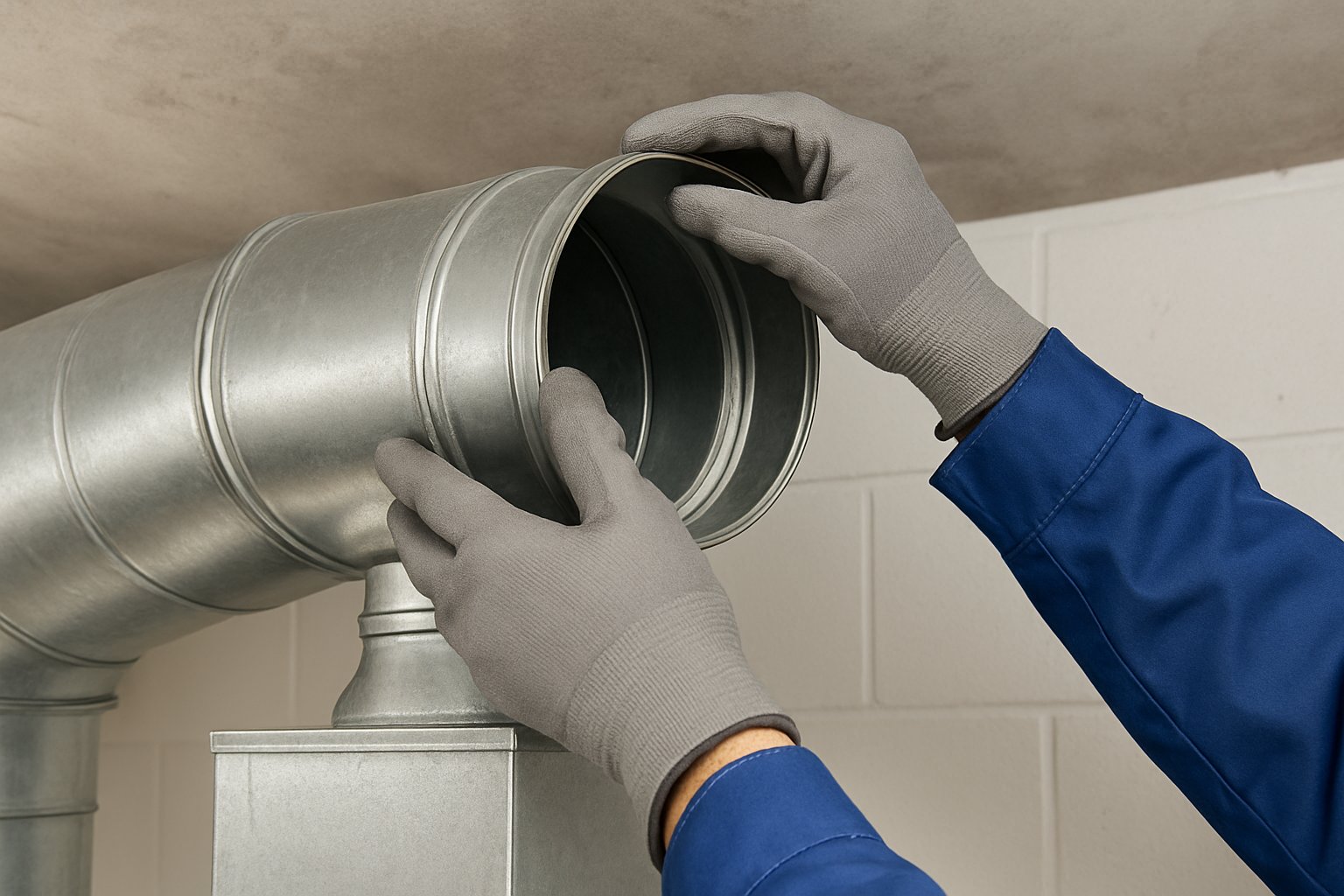
A man in a ball cap changing an air filter.  Image generated by CoPilot AI.

Have your heating system, water heater, and any other gas, oil, or coal burning appliances serviced by a qualified technician every year.  This will help ensure there are no CO leaks.
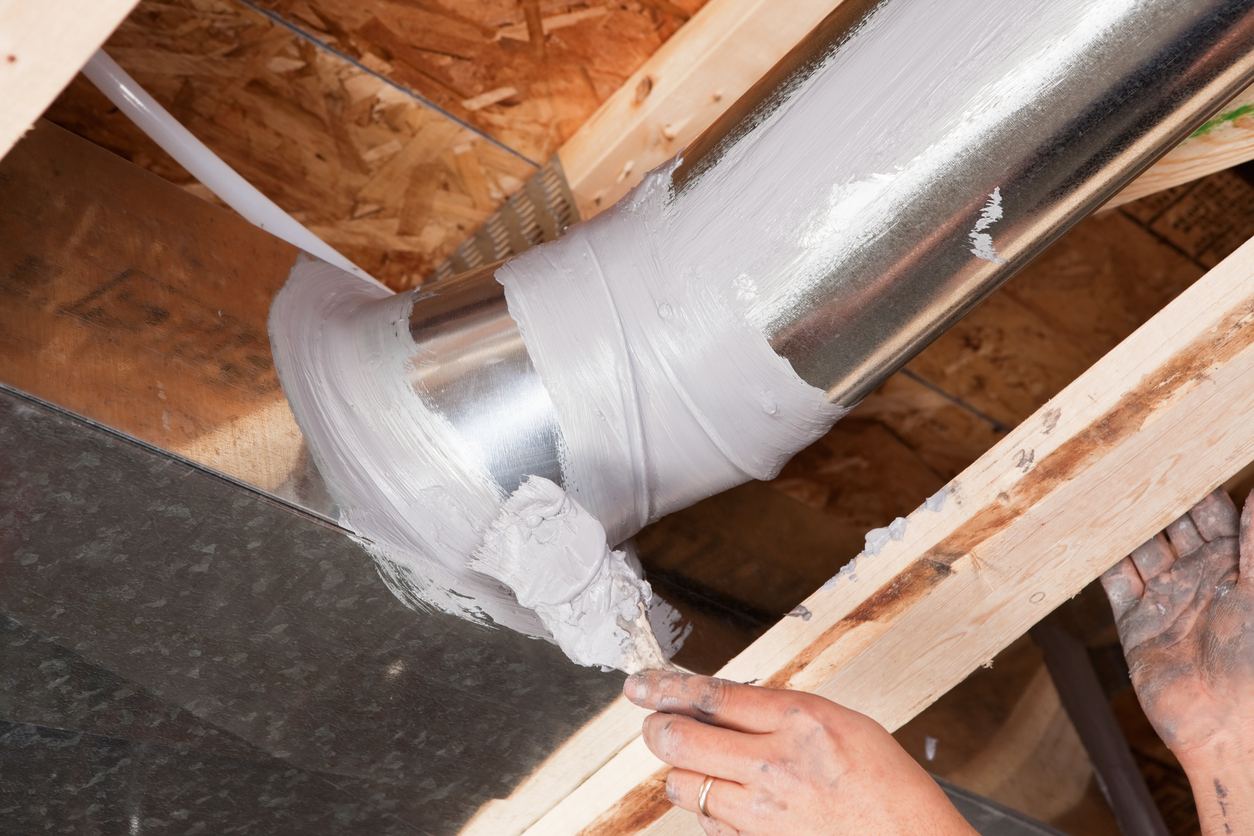
A dirty male hand, holding a paintbrush, is spreading caulk over a house air duct joint with a paintbrush.

Install Carbon Monoxide monitors on every floor in your home. This is an easy way to stay alerted to the presence of CO. 
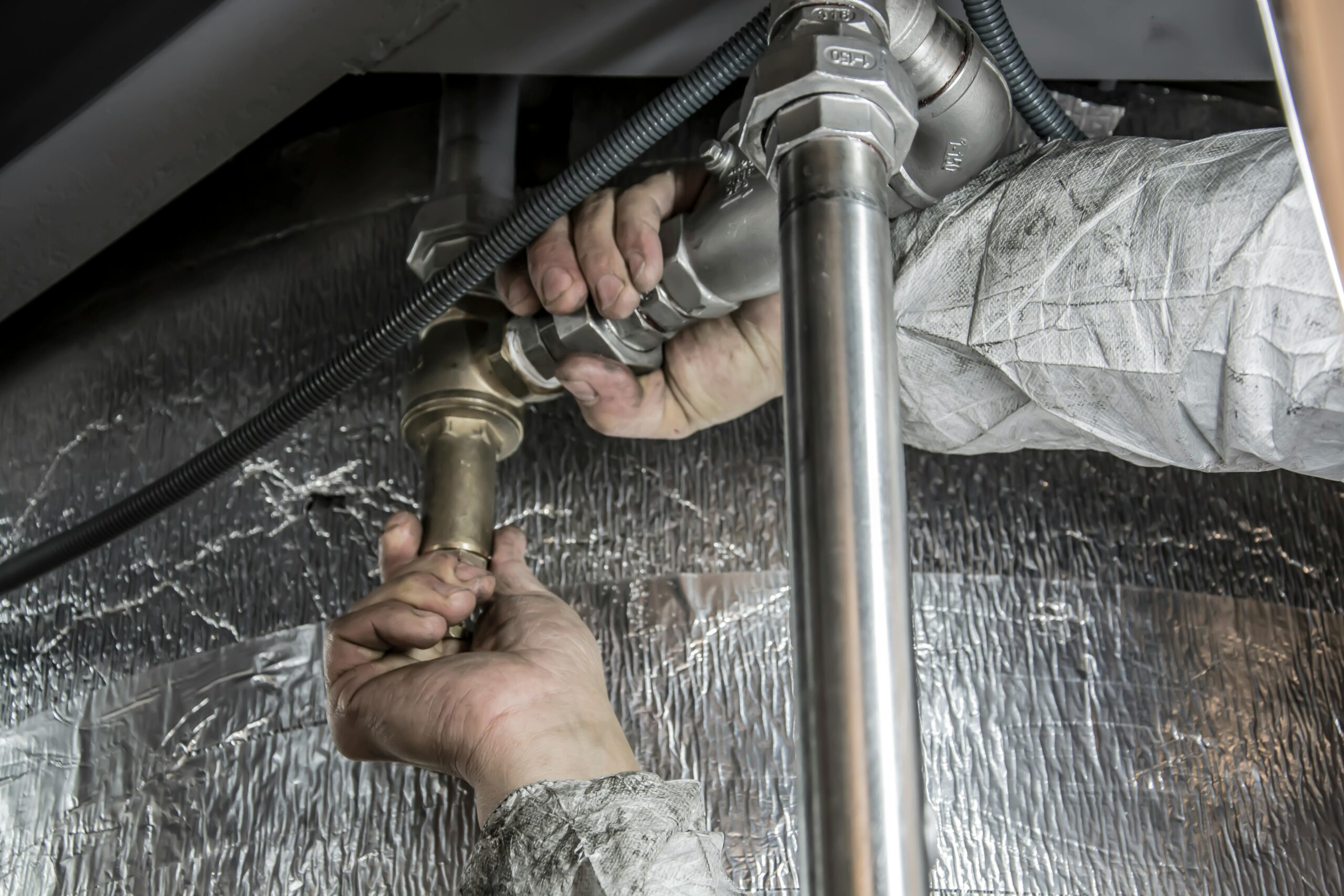
If Carbon Monoxide levels are above 6ppm in your home, investigate the source immediately! Your contractor can help discover how this deadly gas is getting into your home. 

AIRADVICE PROTIP:

In a carbon monoxide (CO) emergency, the most crucial first step is to evacuate immediately to get fresh air. Then call your contractor to investigate the source of the problem.

WHAT ELSE DO WE MEASURE?

Interested in learning more about how to improve home health, safety, and comfort? AirAdvice tests for 7 different parameters in the home with our top-of-the-line monitor.  Our monitors are designed and maintained to produce clear and accurate results, giving you a clear picture of the state of your home’s air. Scroll down to see the other things we test for in a home.

Temperature

The National Institutes of Health (NIH) states temperature is linked to our health, well-being, and productivity. Read more about how optimizing the temperature can improve the comfort in your home.

Relative Humidity

Relative Humidity (RH%) can affect the incidence of respiratory infections and allergies, and contribute to comfort issues. According to the CDC, high moisture (>60%) can foster biological growth. Read more about how to protect your home from the effects of air that is either too dry or too humid.

Formaldehyde

Formaldehyde is a chemical found in many household products and building materials, and is also produced by combustion. While formaldehyde is common in homes, it can be harmful to your health. The CDC says the cancer risk is low from typical indoor formaldehyde levels. Experts recommend keeping formaldehyde levels as low as reasonably possible in your home.

Particulate Matter

Particulate matter (PM) is a microscopic mixture of solid dust particles and liquid droplets found in the air, invisible to the eye. The smallest particles pose the greatest health risk and can get into the deepest part of our lungs and into the blood stream.  Read more about how to prevent the build up of particles in your home.

Volatile Organic Compounds

Volatile Organic Compounds (VOCs) represent a broad category of chemicals that are present in numerous products we use to build and maintain our homes. Once these chemicals are in our homes, they are discharged or “off-gas” into the indoor air we breathe. They may or may not emit odors, so smelling is not a good indicator of health risk.

Carbon Monoxide

Carbon monoxide is gas that has no odor, taste or color that comes from burning different fuels. It can build up to deadly levels in the home, especially when appliances and engines aren’t well ventilated or vented.  Read more about how to prevent this build up in your home.