RELATIVE HUMIDITY
The humidity—or amount of water vapor in your home—has a big impact on both comfort and health. When humidity is too high, the air can feel hot and stuffy, creating ideal conditions for mold and other biological growth. When it’s too low, the air can feel cool and dry, irritating your airways and increasing the risk of respiratory infection. The good news is, with proper management, you can control the humidity levels in your home, and bring them into balance. Your contractor can help you problem solve and get your home to the best version of itself.
“The influence of relative humidity on the abundance of allergens, pathogens, and noxious chemicals suggests that indoor relative humidity levels should be considered as a factor of indoor air quality. The majority of adverse health effects caused by relative humidity would be minimized by maintaining indoor levels between 40 and 60%. This would require humidification during winter in areas with cold winter climates.”
“Sometimes, humidity or dampness (water vapor) in the air can supply enough moisture for mold growth. Indoor relative humidity (RH) should be kept below 60 percent — ideally between 30 percent and 50 percent, if possible. Low humidity may also discourage pests (such as cockroaches) and dust mites.”
“Moderate indoor relative humidity (RH) levels (i.e., 40%–60%) may minimise transmission and viability of some viruses, maximise human immune function, and minimise health risks from mold…”
WHY TESTING FOR RELATIVE HUMIDITY IS IMPORTANT
Controlling biological growth
Ideally, indoor humidity should remain under 60%, and the healthiest range is typically 30–50%. When humidity rises above this range, it can lead to biological growth in your HVAC system and other areas of the home, which can increase allergen levels.
Paving the way for infection
In addition to making your home more uncomfortable, humidity that’s too low can leave you and your family prone to infection. Low humidity dries out moisture-dependent tissues, making eyes, skin, and airways more vulnerable.

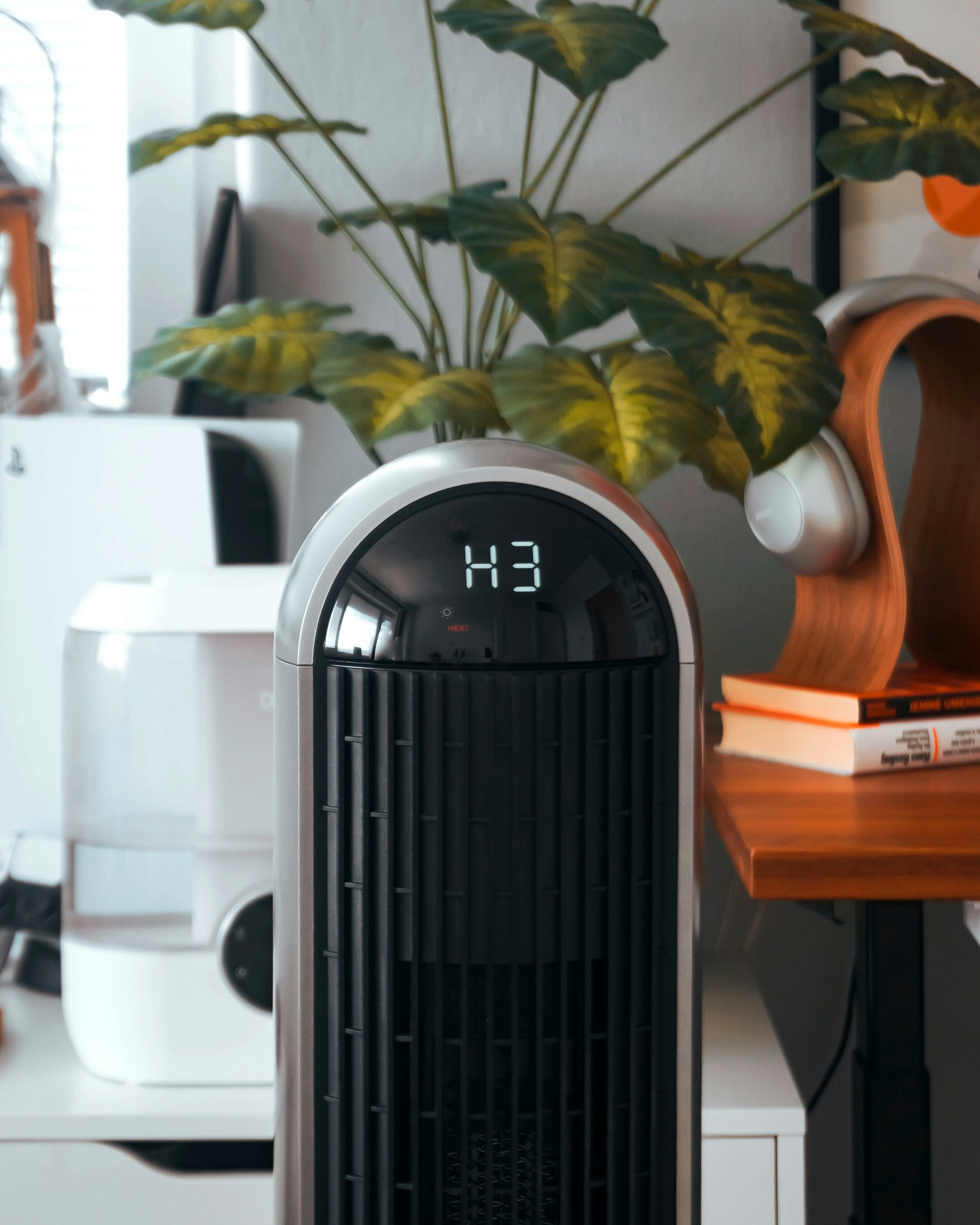
Install humidifier and/or dehumidifier to closely control the humidity levels in each room.
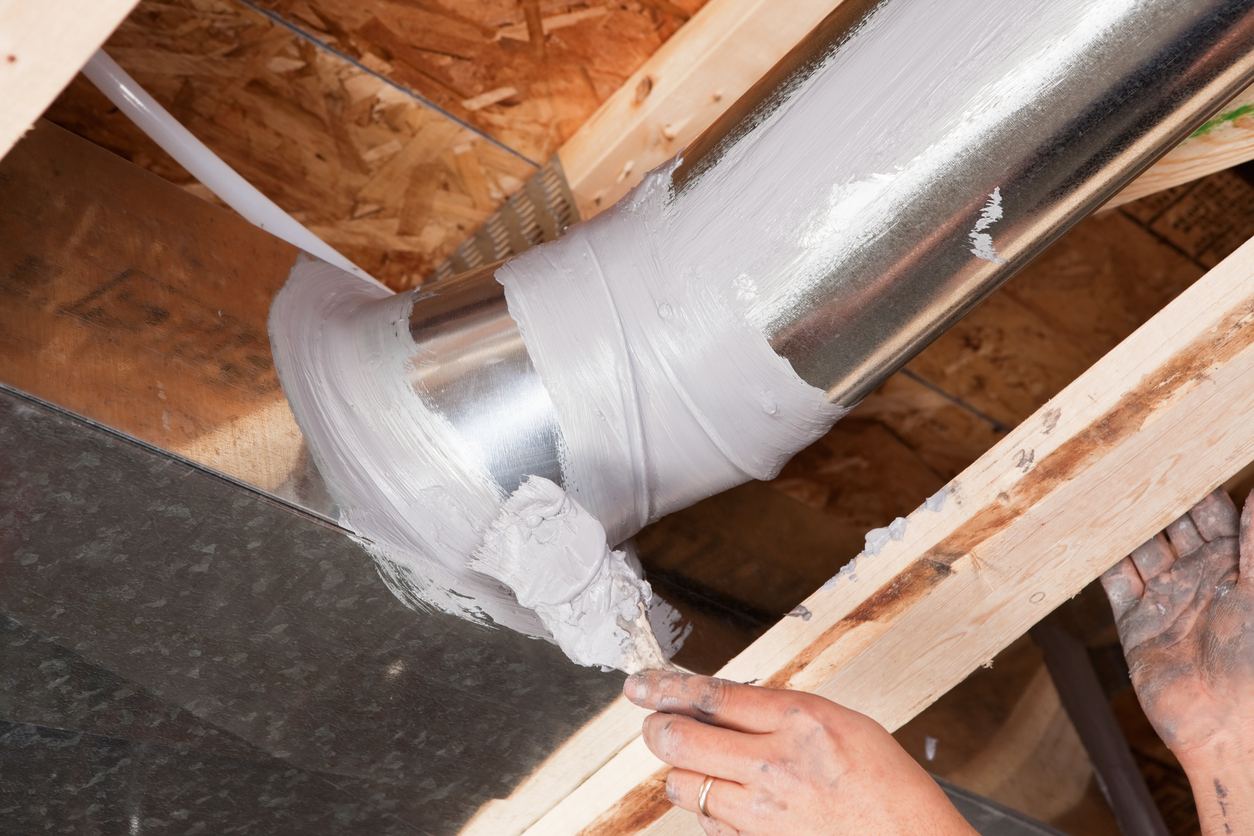
Inspect ductwork; seal and clean as necessary. Talk to your contractor about how to best accomplish this in your home.

Install a non-ozone UVC lamp over the AC coil to prevent biological growth. Your contractor can help you find the perfect fit for your HVAC system.
AIRADVICE PROTIP:
A key component of home health is controlling relative humidity (RH) to prevent biological growth, such as mold and mildew. Proactively managing moisture is far more effective and less costly than dealing with a full-blown mitigation.
Interested in learning more about how to improve home health, safety, and comfort? AirAdvice tests for 7 different parameters in the home with our top-of-the-line monitor. Our monitors are designed and maintained to produce clear and accurate results, giving you a clear picture of the state of your home’s air. Scroll down to see the other things we test for in a home.